 Proudly serving veterans!
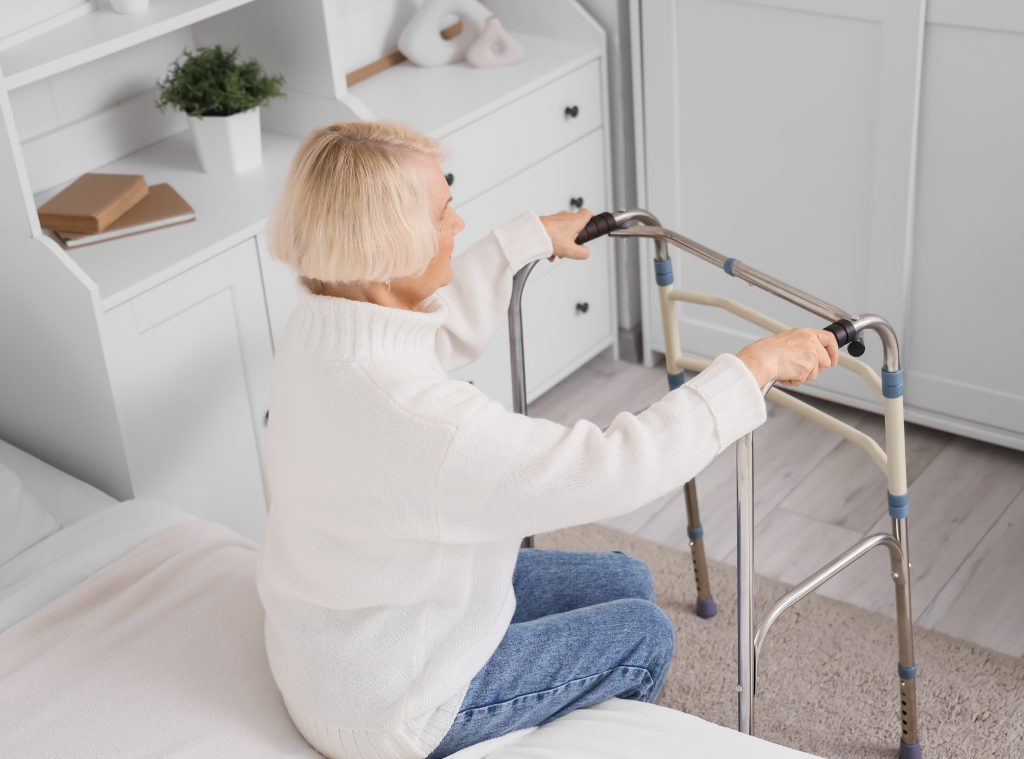
Changing needs for aging parents are a natural part of getting older. However, many families are surprised by how much those needs can shift over time. At first, support may be minimal, but it always increases over time. Because of this, flexible home care plays an important role in helping families adjust with confidence. Care should grow as needs grow, rather than staying the same year after year.
Aging does not follow a set path. Some changes happen slowly. For example, your parent may feel more tired or less steady on their feet. Other changes happen quickly after a fall or illness. Even when things seem stable, small shifts may already be happening.
The Early Stage: Light Help at Home
In the early stage, help is usually simple but important. A caregiver may assist with rides to appointments, preparing meals or spending time together. These tasks may seem small, but they can make daily life easier and more comfortable.
Regular support lowers stress and helps prevent burnout. It also keeps seniors active and connected to others. When care starts early, trust has time to grow between the caregiver and your parent. Later, if more help is needed, that trusted relationship makes the change feel smoother and less stressful.
The Middle Stage: More Daily Support
As changing care needs for aging parents become clearer, daily tasks may feel harder to manage. Bathing, cooking, and keeping track of medications can take more time and energy. In some cases, these tasks may no longer be safe to handle alone.
During this stage, families often add more care hours. A schedule that once included a few visits each week may grow to daily support. This change does not mean something is wrong. It simply means care is adjusting to match current needs. Flexible home care helps families make steady changes instead of waiting for a crisis.
The Later Stage: Ongoing, Personalized Care
In some situations, health conditions become more complex. Memory loss may progress, or mobility may decline further. Even during these later stages, care can remain personal and respectful.
Remaining at home provides comfort and stability. Familiar surroundings and consistent caregivers offer reassurance, especially for individuals experiencing cognitive changes. Flexible care makes it possible to increase support while maintaining routines and dignity. Rather than facing a sudden move, families can make gradual adjustments that protect independence for as long as possible.
Why Flexibility Reduces Stress for Families
When care adjusts alongside changing needs, families feel less overwhelmed. Instead of making urgent decisions after every health shift, they can plan ahead and make steady adjustments. Small changes often prevent larger disruptions.
Flexible care also reduces pressure on adult children. Rather than managing every responsibility alone, they share that role with trained caregivers. As a result, time together feels more natural and less focused on tasks. Conversations improve and family visits become more meaningful.
Planning Ahead Makes a Difference
Although it may feel uncomfortable to think about future changes, early planning creates smoother transitions. Talking openly about changing care needs for aging parents allows families to prepare instead of react.
Reviewing safety at home, monitoring health trends, and adjusting support gradually can prevent emergencies. Over time, these thoughtful decisions protect both physical safety and emotional well-being. Most importantly, flexibility honors dignity and recognizes that aging is a process, not a single event.
A Flexible Approach to Aging at Home
At Home With Help, we believe care should evolve as life evolves. Every individual ages differently, and care plans should reflect those differences. Changing care needs for aging parents are not a sign of failure. They are simply part of life’s progression.
With adaptable, compassionate support in place, seniors can remain at home safely and comfortably. At the same time, families gain peace of mind knowing care will adjust as needs change.
If you have a loved one who needs home care in the Phoenix metro area, reach out to us at 480-941-0200.